Leading Comforter Manufacturer - Premium Bedding Solutions & Custom Manufacturing Services

Get a Free Quote

Our representative will contact you soon.
Email
Name
Company Name
Mobile
Message
0/1000

comforter manufacturer

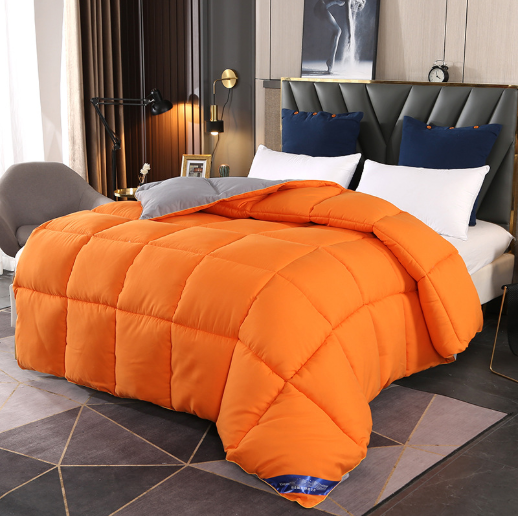
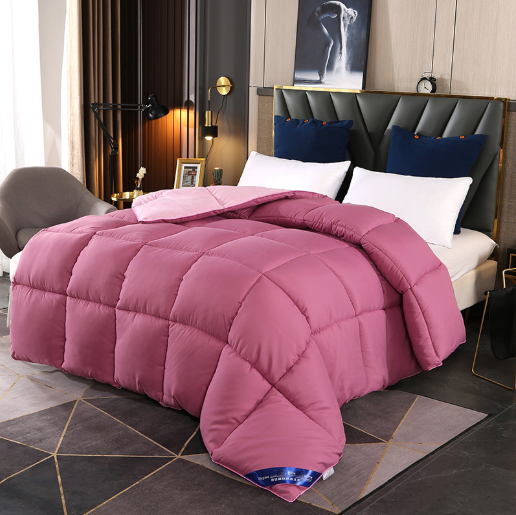
A comforter manufacturer represents a specialized company dedicated to producing high-quality bedding solutions that transform sleeping experiences worldwide. These manufacturers operate sophisticated facilities equipped with advanced textile machinery, precision cutting systems, and automated filling technologies to create premium comforters that meet diverse consumer needs. The primary function of a comforter manufacturer involves designing, producing, and distributing various types of comforters including down-filled, synthetic-filled, and hybrid options that cater to different climate conditions, personal preferences, and budget requirements. Modern comforter manufacturers utilize cutting-edge technological features such as computerized pattern cutting systems, ultrasonic quilting machines, and climate-controlled storage facilities to ensure consistent product quality. These facilities incorporate automated filling machines that precisely distribute materials like goose down, duck down, synthetic polyester, or bamboo fiber to achieve optimal loft and warmth distribution. Quality control systems employ thermal imaging technology to verify even heat distribution, while specialized testing equipment measures fill power, thread count, and fabric durability. The applications of comforter manufacturer products extend across residential markets, hospitality industries, healthcare facilities, and commercial establishments. Hotels rely on comforter manufacturers to supply consistent, durable bedding that withstands frequent washing while maintaining comfort standards. Healthcare facilities require hypoallergenic options from specialized comforter manufacturer sources that meet strict sanitation requirements. Residential customers benefit from seasonal collections, size variations, and style options that complement interior design preferences. Many comforter manufacturers also provide private labeling services, allowing retailers to offer branded products without manufacturing infrastructure. The manufacturing process involves fabric sourcing, design development, pattern creation, cutting, sewing, filling, quilting, finishing, and packaging stages that require skilled technicians and quality assurance protocols. Environmental considerations drive many comforter manufacturers toward sustainable practices including recycled materials, eco-friendly dyes, and renewable energy sources in production facilities.

New Product Releases

Partnering with an established comforter manufacturer delivers substantial cost savings compared to developing in-house production capabilities. These manufacturers achieve economies of scale through bulk material purchasing, specialized equipment utilization, and streamlined production processes that reduce per-unit costs significantly. Customers access professional expertise accumulated through years of textile manufacturing experience, ensuring products meet industry standards and consumer expectations consistently. Quality assurance represents another major advantage, as experienced comforter manufacturers implement rigorous testing protocols, material verification systems, and production monitoring that guarantee superior finished products. Time efficiency becomes crucial for businesses entering bedding markets, and working with established manufacturers eliminates lengthy setup periods, equipment procurement delays, and staff training requirements. Risk reduction occurs naturally when partnering with proven comforter manufacturers who understand regulatory compliance, safety standards, and market demands that could otherwise create costly mistakes for inexperienced producers. Flexibility in production volumes allows customers to scale orders based on seasonal demand fluctuations, market trends, or inventory requirements without maintaining excess manufacturing capacity. Technical innovation access enables customers to incorporate latest materials, construction techniques, and performance features that independent production facilities might not afford to develop independently. Supply chain management expertise ensures reliable material sourcing, vendor relationships, and logistics coordination that maintains consistent production schedules and delivery commitments. Customization capabilities allow customers to specify unique designs, materials, sizes, or performance characteristics that differentiate their products in competitive markets. Regulatory compliance assistance helps navigate complex textile standards, labeling requirements, and safety certifications that vary across different markets and countries. Market intelligence sharing provides valuable insights about consumer preferences, emerging trends, and competitive dynamics that inform product development and marketing strategies. Professional packaging and labeling services create retail-ready products that enhance brand presentation and reduce additional processing requirements. International shipping coordination facilitates global distribution through established logistics networks and documentation expertise. Warranty support and after-sales service demonstrate manufacturer commitment to product quality and customer satisfaction, building long-term business relationships based on trust and reliability.

Practical Tips

New Year, New brand? How to start your home textile product line from scratch?

08

Sep

New Year, New brand? How to start your home textile product line from scratch?

Establishing a home textile brand is an interesting journey that integrates creative design, supply chain procurement and brand narrative. The following text provides a practical step-by-step plan covering the entire process from the initial idea to ...
View More
Why are more and more European and American brands turning to customization in China?

27

Aug

Why are more and more European and American brands turning to customization in China?

In recent years more and more European and American brands have promoted customized services in the Chinese market and multiple interrelated driving factors lie behind this trend this article conducts in-depth structured analysis from three dimensio...
View More
Customer Case: Customized exclusive bedding for a five-star hotel in Dubai

08

Sep

Customer Case: Customized exclusive bedding for a five-star hotel in Dubai

To meet the high standards of luxury hotels in Dubai, KXT has set the goals, methods, technical specifications and cooperation steps for custom bedding below. 1.Goals and Specifications​ Top - tier guest experience means exceptional comfort breatha...
View More
Must-read for homeowners: How to Create a

08

Sep

Must-read for homeowners: How to Create a "internet-famous Room" with Bedding?

Crafting a bedroom that stands out online requires starting with a cohesive bedding-centered design. A practical step-by-step guide helps create an eye-catching shareable space with strong visual appeal in photos and videos. Define your look and a...
View More

Get a Free Quote

Our representative will contact you soon.
Email
Name
Company Name
Mobile
Message
0/1000

comforter manufacturer

Advanced Manufacturing Technology Integration

Advanced Manufacturing Technology Integration

Modern comforter manufacturers leverage sophisticated technological systems that revolutionize traditional bedding production methods through precision engineering and automated processes. These facilities incorporate computerized cutting systems that optimize fabric utilization while ensuring consistent pattern accuracy across thousands of products daily. Ultrasonic quilting machines create durable seam bonds without traditional stitching, eliminating weak points that could lead to filling migration or structural failure over time. Climate-controlled production environments maintain optimal temperature and humidity levels that preserve material properties during manufacturing, ensuring consistent quality regardless of external weather conditions. Automated filling stations utilize pneumatic distribution systems that precisely measure and dispense filling materials according to predetermined specifications, eliminating human error and achieving uniform loft distribution throughout each comforter. Advanced quality control systems employ thermal imaging cameras that detect temperature variations, identifying potential insulation gaps before products reach packaging stages. Digital pattern design software enables rapid prototyping and modification capabilities, allowing manufacturers to respond quickly to design changes or customization requests without extensive retooling delays. Barcode tracking systems monitor each product through manufacturing stages, creating detailed production records that facilitate quality tracing and inventory management. Robotic packaging equipment ensures consistent presentation while reducing labor costs and improving packaging speed for high-volume orders. Environmental monitoring systems track energy consumption, waste generation, and emissions levels, supporting sustainability initiatives and regulatory compliance requirements. Integration with enterprise resource planning software coordinates material procurement, production scheduling, and inventory management activities for optimal operational efficiency. These technological advantages translate into superior product consistency, reduced manufacturing defects, faster production cycles, and enhanced customization capabilities that benefit customers through improved quality, competitive pricing, and reliable delivery schedules.
Comprehensive Quality Assurance Programs

Comprehensive Quality Assurance Programs

Established comforter manufacturers implement extensive quality assurance programs that encompass every aspect of production from raw material inspection to final product testing, ensuring consistent excellence that exceeds customer expectations. These programs begin with rigorous supplier qualification processes that evaluate material sources based on quality standards, sustainability practices, and reliability metrics before establishing vendor relationships. Incoming material inspection procedures verify fabric thread counts, fill power ratings, cleanliness standards, and chemical compliance using standardized testing equipment and certified laboratory protocols. In-process quality checkpoints throughout manufacturing stages monitor stitching consistency, filling distribution uniformity, and construction integrity using statistical sampling methods and documented inspection criteria. Finished product testing evaluates thermal performance, durability characteristics, dimensional stability, and care instruction compliance through accelerated aging tests, washing cycle simulations, and compression recovery assessments. Third-party certification programs validate products against industry standards such as OEKO-TEX, GREENGUARD, or CertiPUR-US requirements, providing independent verification of safety and environmental compliance. Batch tracking systems maintain detailed records linking finished products to specific material lots, production dates, and quality test results, enabling rapid response to any quality concerns or recall situations. Customer feedback integration systems analyze warranty claims, return patterns, and satisfaction surveys to identify improvement opportunities and prevent recurring quality issues. Continuous improvement initiatives incorporate lean manufacturing principles, Six Sigma methodologies, and employee training programs that enhance quality outcomes while reducing waste and inefficiencies. Supplier development programs work collaboratively with material vendors to improve quality standards, implement best practices, and develop innovative solutions that benefit the entire supply chain. Regular quality audits conducted by internal teams and external certification bodies verify compliance with established procedures and identify opportunities for system enhancements. These comprehensive quality assurance measures provide customers with confidence in product reliability, reduced warranty costs, enhanced brand reputation, and competitive advantages in demanding market segments.
Sustainable Manufacturing Practices and Environmental Responsibility

Sustainable Manufacturing Practices and Environmental Responsibility

Leading comforter manufacturers prioritize environmental sustainability through comprehensive programs that reduce ecological impact while maintaining product quality and operational efficiency. These initiatives encompass renewable energy adoption, waste reduction strategies, water conservation measures, and sustainable material sourcing practices that demonstrate corporate responsibility and appeal to environmentally conscious consumers. Solar panel installations, wind energy partnerships, and energy-efficient equipment upgrades significantly reduce carbon footprints while lowering long-term operational costs. Waste minimization programs implement lean manufacturing principles that optimize material utilization, reduce fabric waste, and develop recycling systems for production byproducts. Water treatment facilities process manufacturing wastewater to meet or exceed environmental discharge standards while enabling water reuse opportunities that conserve natural resources. Sustainable material sourcing partnerships prioritize suppliers who demonstrate responsible forestry practices, ethical labor standards, and environmental stewardship in their operations. Organic cotton sourcing supports agricultural practices that eliminate harmful pesticides and fertilizers while promoting soil health and biodiversity preservation. Recycled polyester fill materials divert plastic waste from landfills and oceans while providing excellent insulation properties comparable to virgin materials. Natural down sourcing follows responsible supply chain standards that ensure ethical treatment of waterfowl and transparency in collection methods. Packaging optimization reduces material consumption through right-sizing initiatives, recyclable material selection, and elimination of unnecessary components. Carbon footprint measurement and reduction programs track emissions across manufacturing operations, transportation activities, and supplier networks to identify improvement opportunities. Green building certifications for manufacturing facilities demonstrate commitment to sustainable construction practices and energy-efficient operations. Employee education programs promote environmental awareness and encourage participation in sustainability initiatives throughout the organization. Life cycle assessment studies evaluate environmental impacts from raw material extraction through product disposal, informing design decisions that minimize ecological effects. These sustainability practices provide customers with products that align with environmental values, reduce regulatory compliance risks, and support corporate social responsibility objectives while often achieving cost savings through improved operational efficiency.