 EN
EN

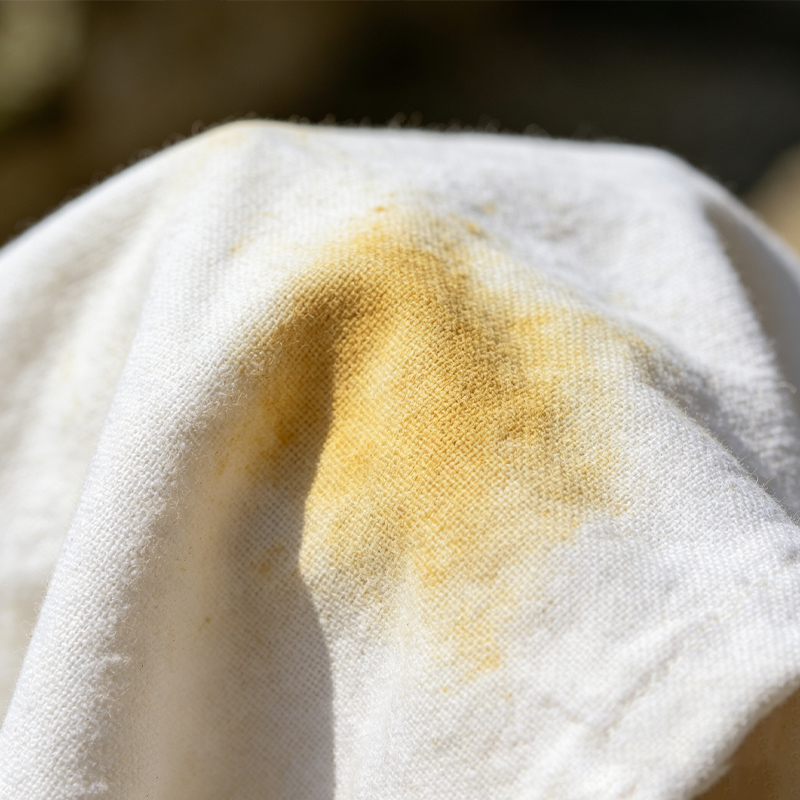
Every time when it's rainy, everyone will notice that the newly washed white or light-colored fabrics start to turn yellow. So, what should be done about it? KXT has prepared the following measures for you:
I. Quick Cleaning Methods for Mild Yellow Stains
1. Cotton, linen bedding & daily cloth
- Baking soda soak: Mix 3–4 tbsp baking soda with warm water (40°C), soak fabrics for 1–2 hours, rub lightly, then wash normally. It removes mildew-induced yellow discoloration and absorbs damp odors.
- Lemon + salt brightening: Boil water with sliced lemons, add a spoonful of salt, soak yellowed textiles for 30 minutes. The citric acid fades yellow marks without damaging natural fibers.
2. White synthetic fabrics (polyester mattress covers, pillow protectors)
Use diluted oxygen bleach (non-chlorine bleach). Mix per the product instructions, soak for 1 hour, then rinse thoroughly. Avoid chlorine bleach—it will worsen yellowing and weaken fibers.
3. Silk & wool (delicate fabrics)
Chlorine and strong alkaline cleaners are forbidden.Dilute mild neutral silk detergent in cool water, add a small amount of white vinegar (1 tbsp per 2L water), soak for 20 minutes, hand-wash gently, and shade-dry. Vinegar neutralizes alkaline residues that turn fabrics yellow in humidity.
II. Remove Mildew Yellow Spots (Severe Humid Stains)
If yellow comes with faint dark mildew dots:
- Dry the textile completely under strong sunlight first to kill mold spores.
- Wipe mildew spots with a soft cloth dipped in diluted white vinegar.
- Soak and wash as per the fiber type above.
- Fully air-dry until zero moisture before storage.
III. Long-Term Prevention to Stop Re-Yellowing
- Thorough drying after washingNever store slightly damp textiles. Dry fully in sunlight or tumble dry on low heat; sun exposure also inhibits mold growth.
- Moisture-proof storage
- Place desiccant bags, camphor blocks or charcoal packets in wardrobes/cabinet drawers.
- Use breathable cotton storage bags instead of airtight plastic bags (plastic traps moisture inside).
- Elevate textiles off cold, damp floors with storage racks.
- Humidity control indoorsRun dehumidifiers or air conditioners during rainy/humid seasons; open windows for ventilation on dry days to lower indoor humidity.
- Regular maintenanceTake stored bedding, blankets and pillows out to sun-dry every 1–2 weeks in humid weather to avoid accumulated moisture and yellow discoloration.
IV. Key Taboos
- Do not leave damp textiles piled up for days; mold and yellow stains form rapidly.
- Do not use hot water or strong alkaline laundry soap on silk, wool and colored fabrics.
- Do not store still-warm, half-dry fabrics directly into closed cabinets.